Payment security insights

PCI DSS 4.0 Phone Payments: 2026 Compliance Checklist
PCI DSS 4.0.1 is now the only version that counts. Here's a practical 2026 checklist for phone payments.
Read article
Is DTMF Masking PCI Compliant? The Real Picture
DTMF masking removes the audio risk and slashes your PCI scope, but it isn't a full compliance product.
Read article Guide
GuideCard Payments Over the Phone: PCI Rules 2026
What PCI DSS v4.0.1 actually requires for phone payments — the threat model, the architectures that work, and how to cut audit scope by up to 96%.
Read article Guide
GuidePCI DSS 4.0.1: What Changed and How to Comply
What changed in PCI DSS v4.0.1, where contact centres usually fail, and how a DTMF masking architecture takes up to 96% of operations out of PCI scope.
Read article
PCI Scope Reduction (Descoping): Cut Audit Scope 96%
PCI scope reduction (descoping) cuts contact-centre PCI audit scope by around 96%.
Read article
Cardholder Data Environment (CDE): How to Reduce Its Scope
A practical guide to understanding your cardholder data environment (CDE). Learn how to define your PCI DSS scope, reduce risk, and cut compliance costs.
Read article
Adding DTMF Masking to Aircall, Genesys, Five9 & Talkdesk
Aircall handles your calls beautifully, but it records card numbers along with everything else.
Read article
How to Choose DTMF Masking Software: A Practical Checklist
Buying DTMF masking software is a three-year commitment. Here's the seven-step checklist we'd use if we were on the buying side.
Read article
DTMF Masking vs Pause-and-Resume: Which Should You Use?
Pause-and-resume looks cheap and simple, but it relies on an agent pressing the right button on every call. DTMF masking removes the failure mode entirely.
Read article
What Is DTMF? A Plain-English Guide to Phone Tones
DTMF stands for Dual Tone Multi-Frequency — the technical name for the beeps your phone makes when you press a key.
Read article Guide
GuideWhat Is an IVR Payment? How They Work & Where They Fail
An IVR payment lets a customer pay by pressing card digits on their phone keypad with no agent on the line.
Read article
IVR vs Agent-Assisted Payments: Which Fits Your Calls?
IVR runs the call without an agent; agent-assisted keeps your team on the line. Both can be PCI-compliant — they just suit different call types.
Read article Guide
GuideCard Tokenisation Explained: How It Secures Payments
Tokenization replaces card numbers with a non-sensitive placeholder — keeping real data out of your systems entirely. Here's how it works and why it matters.
Read article
What Is a PAN Number on a Credit Card?
Understand what a PAN (Primary Account Number) actually is, why it matters for secure payments, and what you can do to stop it ever touching your systems.
Read article Guide
Guide3D Secure 2 (3DS2) & SCA Explained for Phone Payments
What 3D Secure and Strong Customer Authentication mean for contact centres — where SCA applies online, and why phone (MOTO) payments are exempt.
Read article Guide
GuideCard Not Present Transactions: Risks and How to Cut Fraud
Learn how card not present (CNP) transactions work, the fraud risks they carry, and the practical steps you can take to secure your business and stay compliant.
Read article
Is AI Safe for Payment Fraud Detection?
AI is changing how secure payment services work — from spotting fraud in real time to protecting card data before it reaches any system that could expose it.
Read article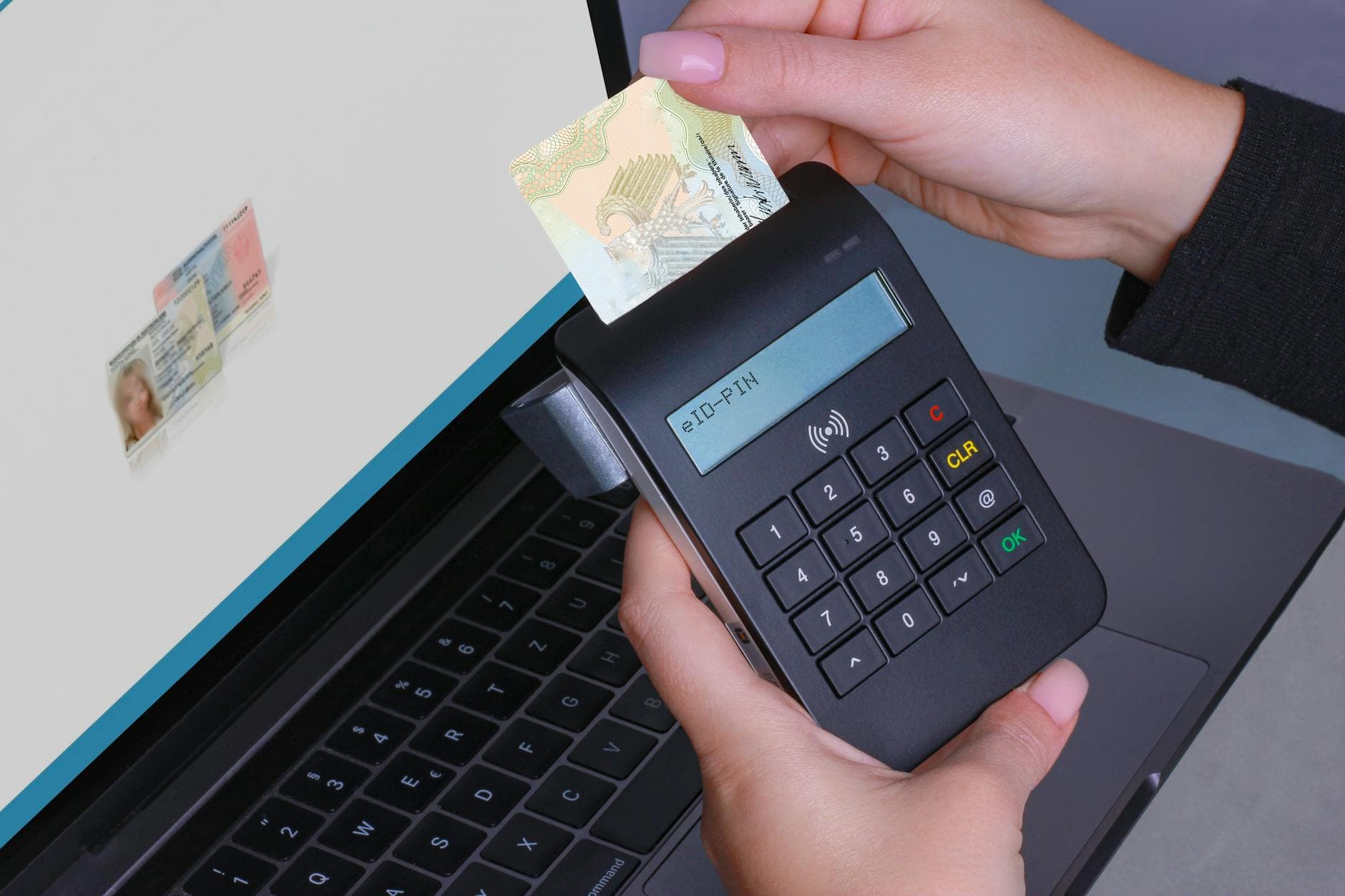
Payment Validation: Complete Guide for Businesses
Learn how payment validation works, why it matters for secure transactions, and how to run checks that actually protect your business and customers from.
Read article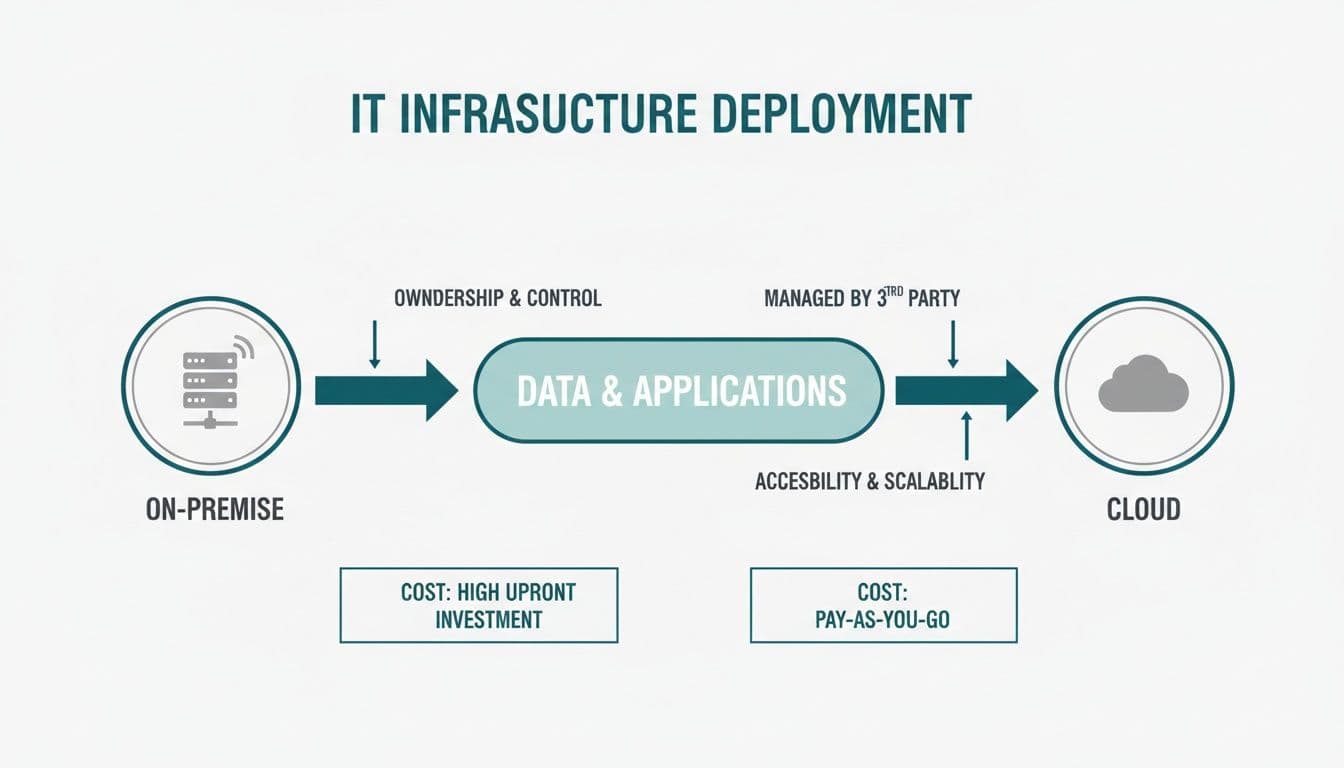 Guide
GuideCloud contact centre: how it works and what to check
A practical guide to cloud contact center solutions — what they are, how they work, and what to look for when it comes to security, integration, and migration.
Read article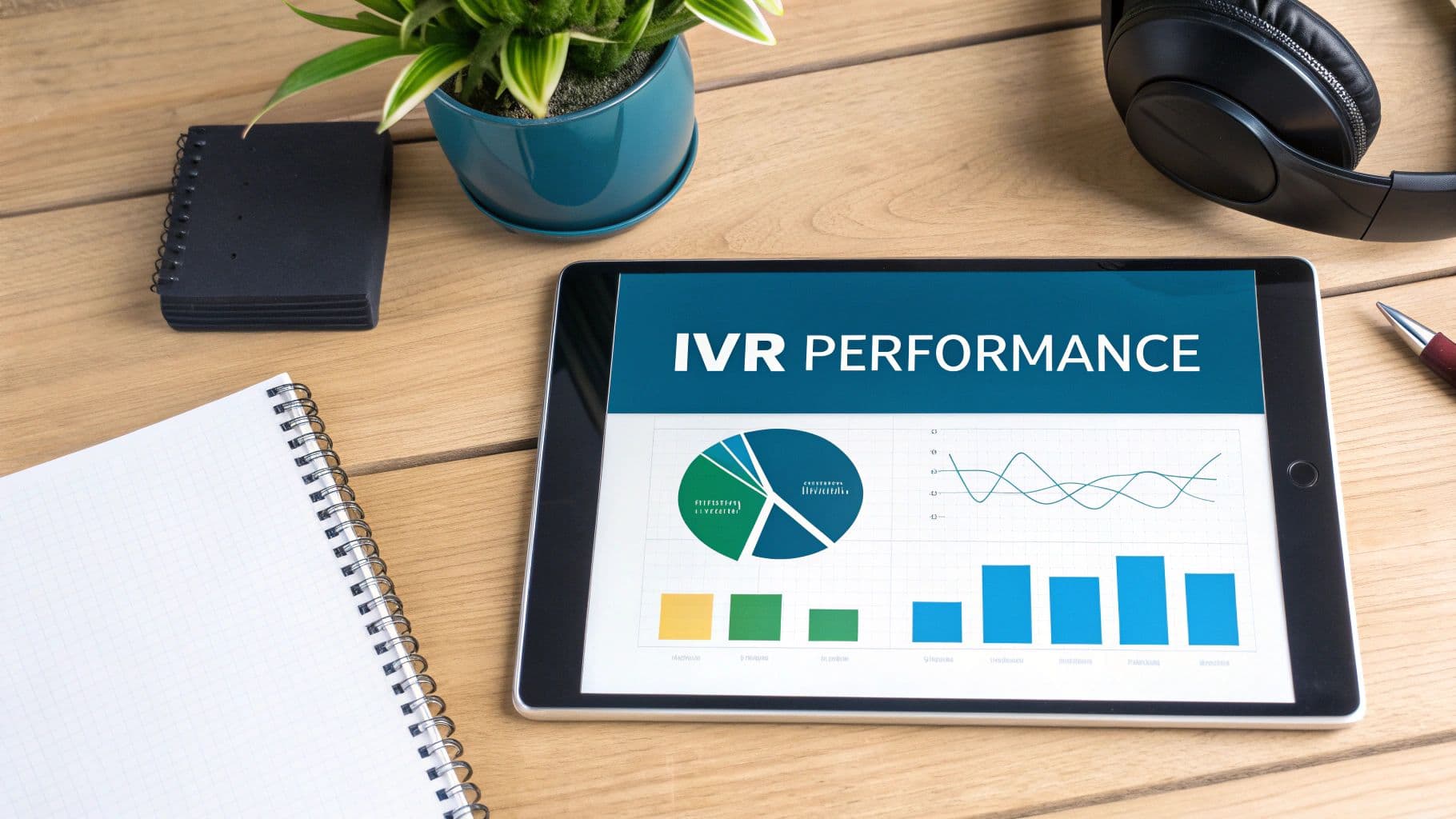
A Complete Guide to Modern Call Centre IVR Systems
Everything you need to know about call centre IVR: how to design systems people don't hate, take payments securely under PCI DSS.
Read article
SMS Payments vs IVR Payments: Which Works Better?
Can SMS payments replace IVR? We compare speed, security, cost, and convenience — and explain how Paytia's Secure Code tackles the trust problems that come.
Read article
How to Improve Call Centre Efficiency
Real tactics for shaving seconds off handle time, getting agents off admin work, and hitting SLAs without burning the team out. Skip the generic KPI advice.
Read article
How to Reduce Average Handling Time Without Wrecking CSAT
Cut average handling time the right way. Architectural fixes that shave 60-90 seconds off calls without burning out agents or destroying CSAT.
Read article
What Is Multichannel Customer Service? A Practical Guide
Phone, email, chat, web, social, SMS — what multichannel customer service actually means, what customers expect on each channel, and where it gets hard.
Read article
Conversational AI Payments: How We Keep Cards Out of AI
We just launched Conversational & AI Payments. Here's what the category actually is — and how an AI agent takes a card payment without the card details ever reaching the AI.
Read article Guide
GuideWhat Are SMS & Text-Message Payments? A Plain-English Guide
SMS pay-by-link lets a customer pay from a text message — no IVR menu, no card-in-agent-earshot. Here's how it works, when to use it, and what PCI DSS means for it.
Read article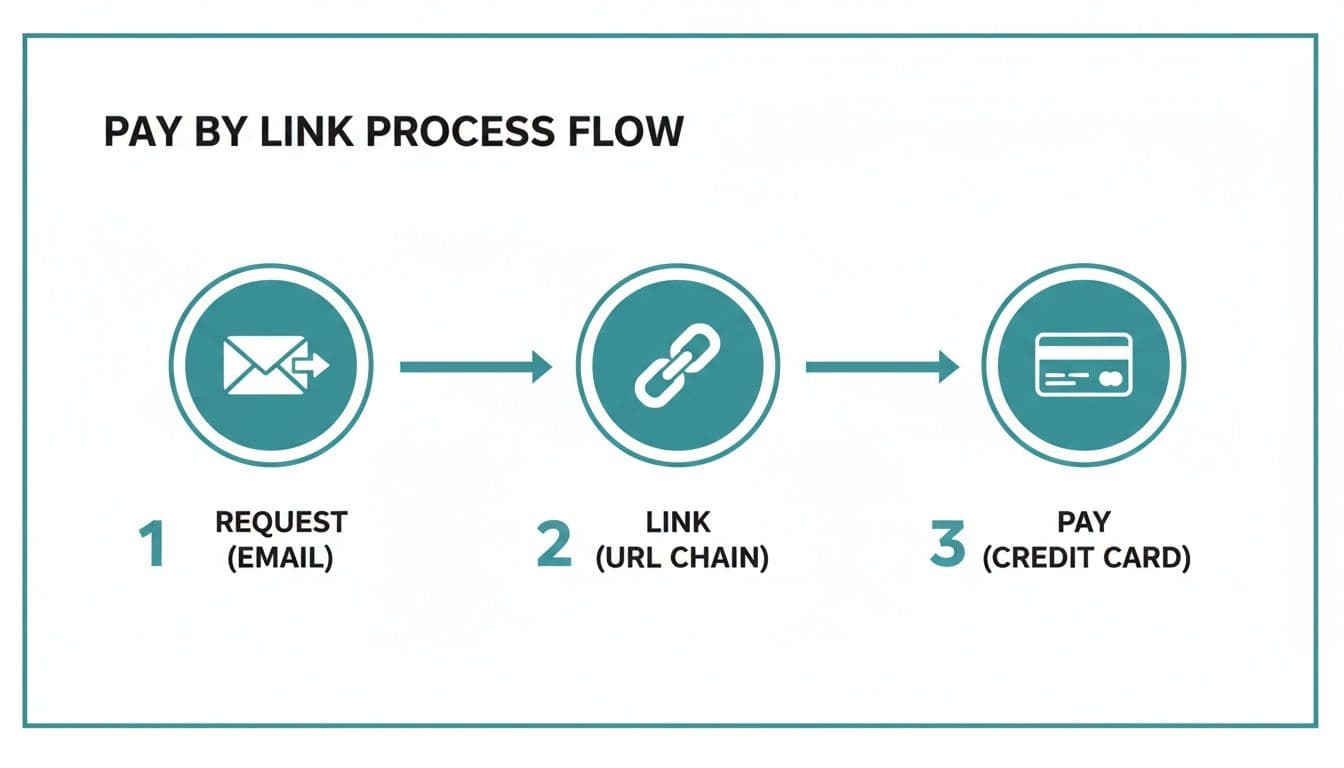
Pay by Link vs Hosted Checkout: Which to Use
Payment links suit calls, chats, and field jobs. Hosted checkout suits a customer already on your website.
Read article
Manual vs Automated Payment Chasing: When to Switch
Manual chasing scales until it doesn't. Where the switch to automated reminders pays back, the compliance gap finance teams miss.
Read article
What Is a Tokenization Vault? A Plain-English Guide
A tokenization vault is the secure database, run by your payment processor, that stores real card numbers and hands out tokens in their place.
Read article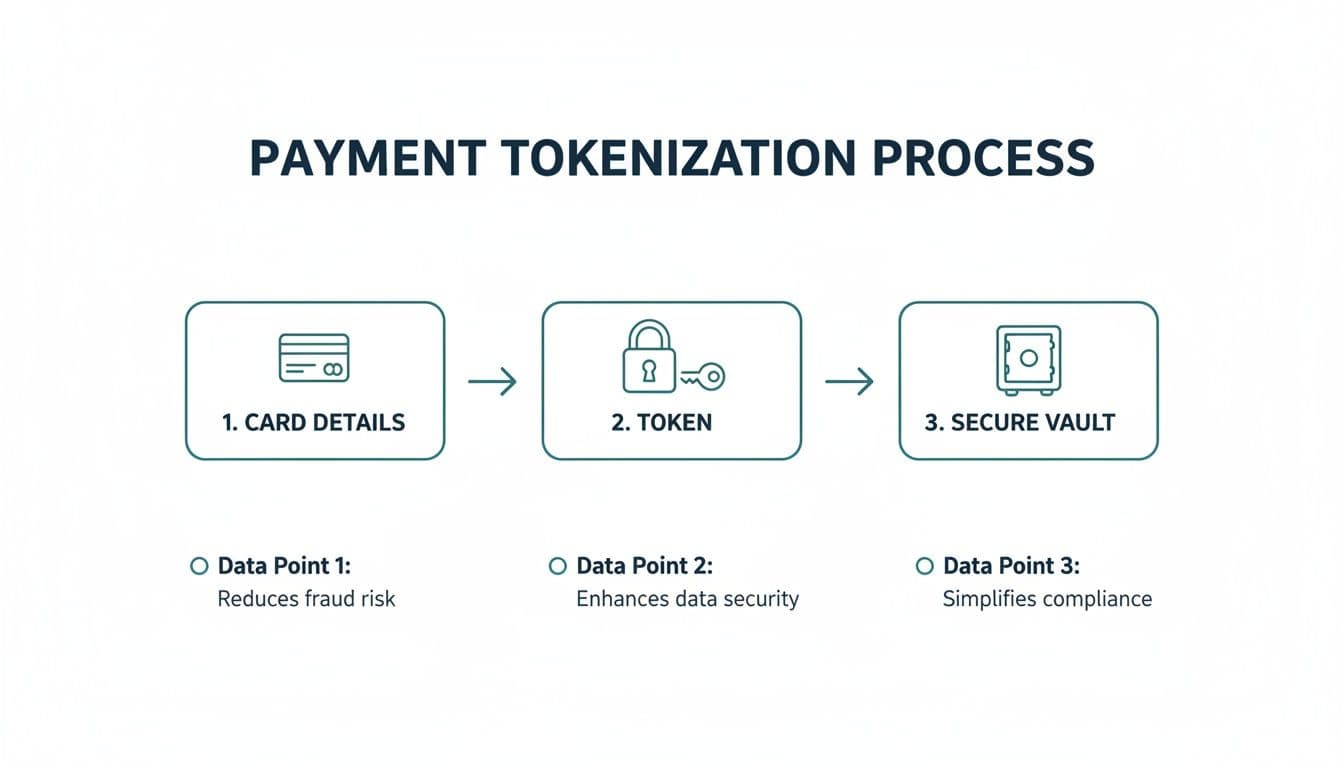
Network Tokens vs PSP Tokens: What's the Difference?
Network tokens (issued by Visa, Mastercard and Amex) and PSP/vault tokens (issued by your gateway) both reduce PCI scope.
Read articleReady to take secure payments?
Book a demo with our team. We'll show you DTMF masking live, talk through PCI DSS scope reduction, and put together pricing based on your call volume.
Trusted by law firms, insurers, healthcare providers and regulated businesses worldwide. Learn more about Paytia