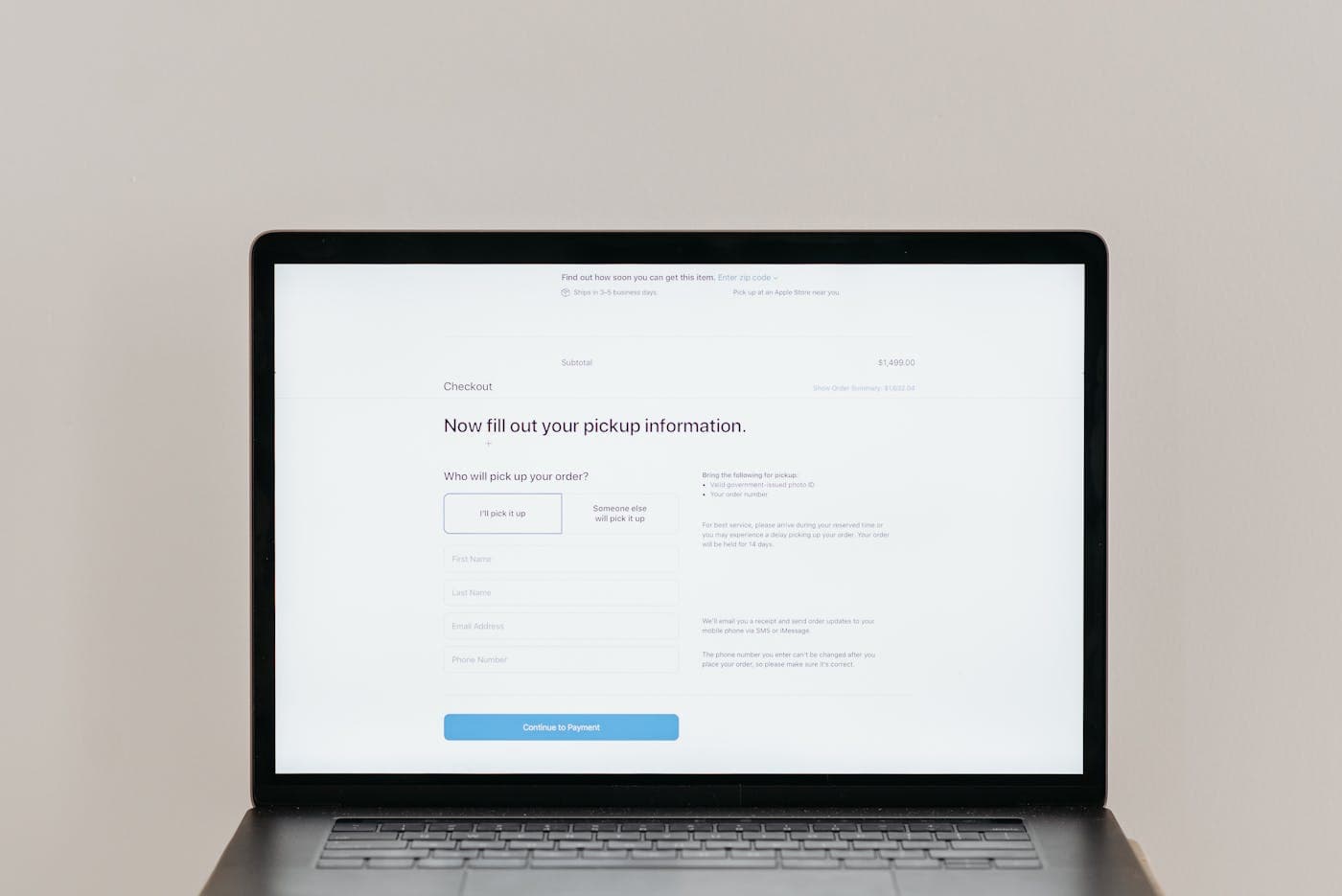
Online Payments

Take card payments online without owning the PCI burden

Send a customer a secure link, embed a checkout, or store a card for repeat billing — without taking PCI scope onto your own systems.

Digital payments are where PCI scope creeps back in

You wanted to move more of your billing online. Send a link for an invoice. Drop a checkout into the shopping cart. Store a card so the customer doesn't have to re-enter it every month. Simple, right? Then your QSA asked where the card number lives, and suddenly half your web stack is in PCI scope.

The usual options all have a cost. Build your own checkout on top of a gateway SDK, and you've just signed up for SAQ D and a much bigger audit. Embed a third-party iframe and hope the vendor keeps it compliant. Store "just the last four digits" and watch your security team push back. Or hand the customer off to a generic branded page that breaks the experience.

What you actually want is a way to take card payments online — links, checkout, subscriptions, saved cards — without pulling any of it into your own environment.

How Paytia solves it

Paytia gives you the pieces you need for digital card payments — secure links, a branded hosted checkout, recurring billing, and Click to Pay — and runs all of them on our side of the line. The card number is captured on a Paytia-hosted page, tokenized against your gateway, and sent straight to your merchant account. Your app, your database, and your servers never see a card.

You keep your own gateway. Stripe, Authorize.Net, Braintree, Worldpay, and the rest all work the way they already do. No merchant account migration, no ripping out your finance stack, no "compliant platform" that wants to own your whole customer journey. Unlike approaches that lock you into a single vendor's rails, Paytia sits alongside the tools you already run.

The result: you can send a link in thirty seconds, drop a branded checkout into the site in a day, bill a subscription next month, and keep your PCI footprint as small as it was before any of this existed. SMS payment reminders fire under your existing TCPA consent records, so compliance doesn't break either.

Every way your customers want to pay online

One-off links, branded checkout, subscriptions, Click to Pay. Same security model underneath. Pick the flows that fit how you actually get paid.

Mix and match with phone payments

Most of our customers don't pick one channel. They send a link for the invoice, take a call when the customer has a question, and set up a saved card for the next order. Paytia runs all of it on the same platform, so you don't end up with one compliance story for phone and another for web.

SAQ A

From SAQ D (329 → 22 requirements)

Zero

Card data stored in your systems

Level 1

PCI DSS certified platform

99.99%

Platform uptime

Used by businesses that get paid every way customers want

We use Paytia for our phone orders to keep credit cards out of our system. The service works flawlessly, the support folks are super responsive and friendly, and it has greatly enhanced our PCI and credit card security.
PH

PHE Inc.

Technology Solutions

Paytia has helped us turn a security exposure and reputational risk into a value-enhancing opportunity. Fundraising has never been more important and Paytia has helped us achieve our goals.
TH

Trinity Hall College

Cambridge University

Works with your stack

Your gateway, your merchant account

Plus Adyen, Chase Payment Solutions, Elavon, and any gateway you're already using. See the full list on the partners page.

Common questions

How is this different from just using a payment gateway directly?

A raw gateway integration puts the card form, the tokens, and the session handling inside your own application. That's a lot of PCI scope on your team. Paytia runs the card capture on our side — through a hosted page, a secure link, or a stored token — so the card data never lands in your environment. You still use your own gateway and merchant account underneath, whether that's Stripe, Authorize.Net, Braintree, or Worldpay.

Can I send a payment link from my CRM or helpdesk?

Yes. Links can be generated by your team through our portal or triggered automatically from your own systems via API. Send them over SMS, email, or as a QR code on an invoice. The customer taps, pays on our secure page, and you get a confirmation back. If you're sending payment reminders by SMS, we'll help you stay on the right side of TCPA — prior express consent is logged and respected.

Does the hosted checkout look like my brand?

Yes. The customized hosted checkout carries your logo, colors, and domain, so the experience feels like part of your site. Your shoppers never see a generic third-party page, and you don't have to write any PCI-in-scope code to make it happen.

How does recurring billing work without storing cards on our side?

When a customer sets up a subscription or saved payment method, the card is tokenized by your gateway. Paytia holds the token reference, not the card itself. When it's time to bill, we trigger the charge against the token. Your systems never see or store a card number, and you stay clear of the storage rules that normally apply under PCI DSS.

What about Click to Pay and saved cards?

Click to Pay lets returning customers check out without typing their card details again. It's backed by Visa, Mastercard, American Express, and Discover, recognized across merchants, and reduces friction on repeat purchases. We handle the integration so you get the conversion lift without adding PCI work to your roadmap.

Does this reduce our PCI scope the same way phone payments do?

For most merchants, yes. Because the card data is captured on Paytia-hosted surfaces and never touches your servers, you can drop from SAQ D (329 requirements) to SAQ A (22 requirements). Your QSA will ask where the card data lives, and the honest answer is: not here.

Ready to take online payments the right way?

See how Paytia handles links, checkout, and subscriptions without dragging your web stack into PCI scope.

PCI DSS Level 1
Cyber Essentials Plus

Trusted by law firms, insurers, healthcare providers and regulated businesses worldwide. Learn more about Paytia