Outbound payments across voice, SMS, WhatsApp and email
Reach, Ask, Get Paid
Outbound on every channel, payment capture on ours
One pitch covering voice, SMS, WhatsApp and email
When we say outbound payments, we mean four things bundled into one capability: voice collections calls where your agent takes the card without ever hearing the digits, SMS payment links sent through our Payment Links product, WhatsApp Business payment requests delivered over our web chat infrastructure, and scheduled email reminders and dunning from PayChase.
All four share the same backbone. Consent gets captured before anything goes out. The customer pays on the channel you contacted them on — no app to install, no portal to log into. And the card details travel on a separate path straight to Paytia, so your team, your tools, and your recordings stay out of PCI scope.
We don't operate the dialer for you. Voice dialing still happens through your own phone system — 3CX, Aircall, Gamma, or whichever platform your contact centre runs on. Paytia sits on the payment capture layer, which is the part that's hard to get right.

Four outbound channels, one payment rail
Pick whichever fits the conversation. Mix and match across the same customer — a call first, an SMS nudge the next day, an email reminder the week after.
Voice outbound
Your agent places the call through whatever phone system you already use — 3CX, Aircall, Gamma, a CCaaS platform, it doesn't matter. When it's time to take the card, we step in and capture the payment directly from the customer's keypad. Your agent stays on the line, your agent never hears the digits.
SMS payment links
Send a branded payment link by text. The customer taps, lands on a PCI DSS Level 1 page, and pays. This runs on our Payment Links product, so every send can carry a Paytia Secure Code so the recipient can tell the message is really from you before they hand over card details.
WhatsApp Business
Same payment link model, delivered through WhatsApp Business. It runs on the same web-chat-payments infrastructure we use for live agent chat, so the experience reads like a real conversation and not a cold broadcast. Good fit for markets where SMS open rates are falling and WhatsApp is the default.
Email reminders and scheduled dunning
PayChase handles the scheduled side — reminder emails, dunning sequences, renewal chasers, and follow-up nudges. You set the cadence, we send from your domain with your branding, and every message carries a link that settles the balance in a minute.
Consent first, then reach, then capture
Capture consent first
Before anything goes out, we record the lawful basis for contacting that customer — the consent flag, the source, the date, and the channel they opted into. Nothing gets sent until that record's in place.
Send the message or place the call
Your team queues up the outbound — a voice call through your own dialer, an SMS through our gateway, a WhatsApp message through the Business API, or a scheduled email. Paytia doesn't replace your phone system; we bolt on to it.
Customer pays on the channel they're already on
On a voice call the customer keys their card into their phone's keypad. On SMS, WhatsApp, or email they tap the link and pay on a branded PCI-compliant page. Either way, they don't bounce into a new app or portal.
Card data goes straight to Paytia
We intercept the PAN and CVV before they can hit your systems. Your agents never see them, your CRM never stores them, your call recordings never capture them. That keeps your PCI scope small and your compliance cost down.

UK rules we build around
Outbound collections in the UK sit inside a fairly specific rulebook. PECR (the Privacy and Electronic Communications Regulations 2003) sets the bar for electronic marketing — you generally need prior consent for marketing calls, texts, and emails to individuals, and the ICO enforces it. We record consent at the point of capture and won't send without a valid record.
UK GDPR Article 6 covers the lawful basis for any processing tied to outbound contact — usually consent for marketing, legitimate interests or contractual necessity for collections and renewals. We surface the basis on every record so you can demonstrate it if the ICO ever asks.
Where you're chasing arrears from consumers, FCA Consumer Duty sets expectations around treating customers fairly, giving them time to respond, and not causing foreseeable harm. Our dunning cadences in PayChase are designed with that in mind — you set the intervals, we don't bombard.
Ofcom's rules on unwanted calls — silent and abandoned call limits, CLI presentation, the do-not-call obligations tied to TPS — apply to the dialer side. That's your phone system, not ours, but we'll work with your telephony team to make sure the payment capture step fits whatever policy you've set.
On top of all that, card data itself is handled under PCI DSS Level 1. The digits never land on your servers, so the scope of your own PCI assessment stays small.
Where outbound payments earn their keep
Debt and accounts-receivable collections. The bread-and-butter use case. Your team works through an aged debtors list, calls go out through your own dialer, and when a customer agrees to pay you're ready with a PCI-safe capture path on the same call — or an SMS link if they'd rather pay after they've hung up. Recoveries go up when the friction disappears.
Subscription renewal chasing. Cards expire, payments fail, subscribers drift. PayChase runs the dunning sequence — a first reminder, a second, a final notice — with a one-click link in every message so renewing takes thirty seconds. We've seen involuntary churn drop by double digits on clean campaigns.
Missed-appointment deposit recovery. Dentists, consultants, trade services. When someone no-shows and you're owed a deposit under your terms, an SMS or WhatsApp payment link gets you paid faster than another phone call. The customer settles it in a minute, you move on.
Unpaid invoices in B2B. The email-and-chase cycle with a payment link baked into every reminder. Finance teams get visibility on what's been sent, what's been opened, and what's been paid — all without having to store a card on file or handle one over the phone.
Frequently asked questions
Does Paytia do outbound calling?+
We handle the payment capture layer on outbound interactions — we don't replace your dialer. You keep placing calls through 3CX, Aircall, Gamma, or whichever phone system your team already uses. When it's time to take a card, Paytia captures it securely so your agents never hear or see the digits.
How do payments happen on an outbound call?+
Your agent stays on the line. When they're ready to take payment, the call is bridged to Paytia's secure capture. The customer keys their card number, expiry, and CVV into their own phone, the tones are suppressed so nothing leaks into the recording, and the agent hears confirmation once the payment clears.
Can we send payment links by SMS?+
Yes. SMS payment links run on our Payment Links product. You can send ad-hoc links from the dashboard or schedule sequences through PayChase for reminders and dunning. Every link lands on a branded, 3D Secure payment page, and you can add a Paytia Secure Code so customers know the message is genuine.
What about WhatsApp?+
We support WhatsApp Business messaging through the same web-chat-payments infrastructure that powers our live chat payments. The customer gets a conversational message, taps the link, and pays — same PCI-compliant flow as SMS, just on a channel plenty of customers prefer.
How does consent capture work?+
Every outbound contact is tied to a consent record — when the customer opted in, what they opted into, and through which channel. You can import consent from your CRM or capture it through our forms. Nothing gets sent without a valid record, and we log every send for audit.
Are you PECR-compliant?+
Yes. Outbound marketing to UK individuals needs consent under PECR (Privacy and Electronic Communications Regulations 2003), and transactional messages need a valid lawful basis under UK GDPR. We don't send on your behalf without a consent record, we honour unsubscribe and stop requests automatically, and we keep an audit trail so you can demonstrate compliance to the ICO if it's ever asked for.
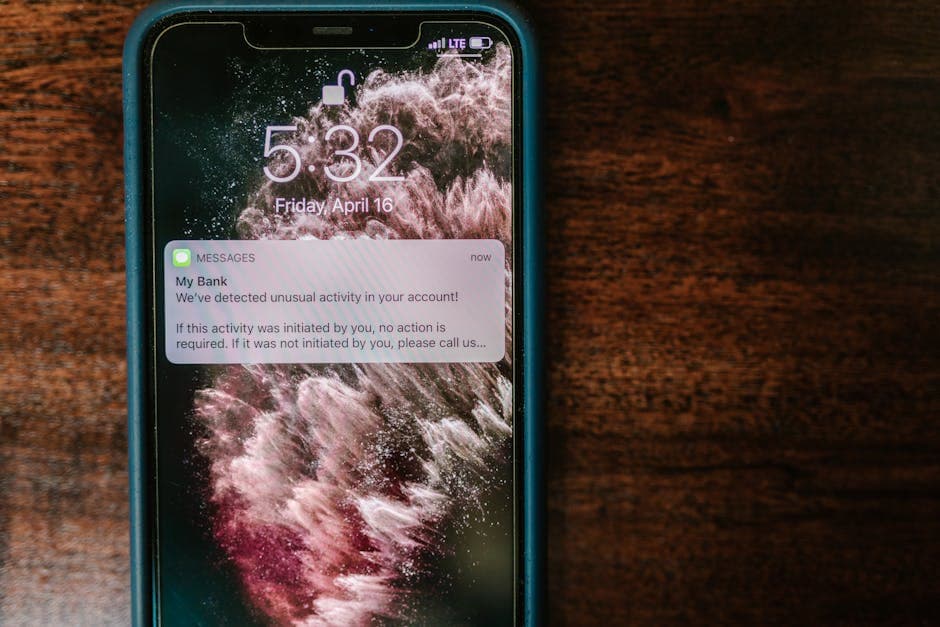
Ready to run outbound the clean way?
Book a demo and we'll walk you through the voice, SMS, WhatsApp and email flows end to end. If you'd rather jump straight to the payment-capture side, take a look at payment links or telephone payments.
“Paytia turned a security exposure and reputational risk into an opportunity. Fundraising has never been more important and Paytia has helped us achieve our goals.”
Trinity Hall College
Cambridge University
Read the case study →Used by British American Tobacco · Howard Kennedy · CITB · Clinical Partners · Trinity Hall College
Since 2016
Building secure payments
PCI DSS Level 1
Highest certification
99.99%
Platform uptime
£400M+
Transactions processed
Related solutions
Other ways to take payments in this channel.
DTMF Masking
Also called DTMF suppression. The customer types their card on their phone keypad. We mask the tones in the live audio so the agent doesn't hear them and the recording stays clean.
Learn moreMOTO Payments
Take Mail Order / Telephone Order payments without the card number reaching your agents, your recording, or your systems.
Learn moreSecure Virtual Terminal
The browser payment screen your agents use, without the card entry. They start the payment, the customer keys their own card, and your scope stays at SAQ A.
Learn more