US reader? See the US version of this guide with US-specific compliance detail (TCPA, NYDFS, CCPA, FedNow, US PCI scope guidance).
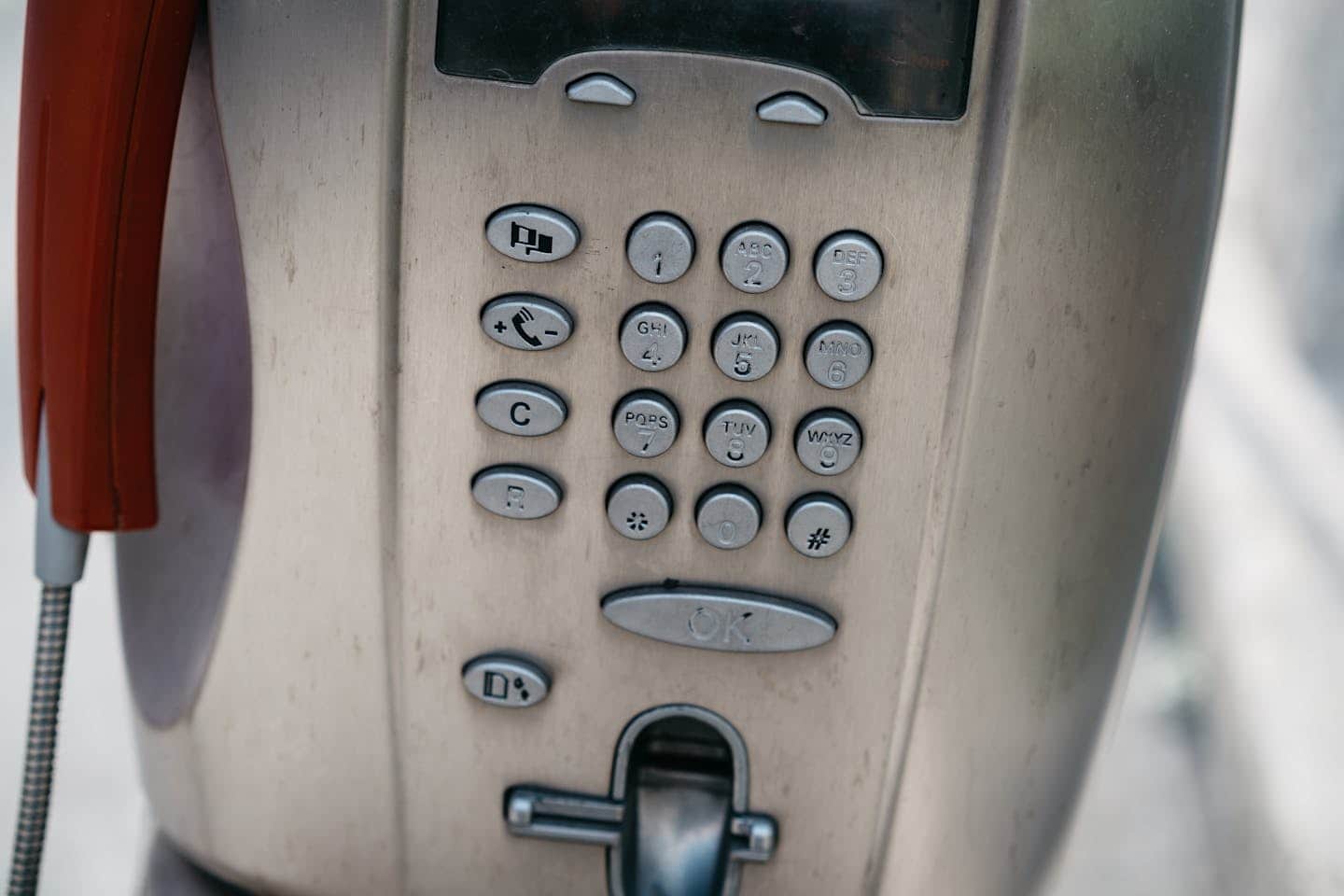
DTMF stands for Dual Tone Multi-Frequency. It's the technical name for the sounds your phone makes when you press a number on the keypad — those familiar beeps when you punch in a phone number, a PIN, or your selection on an automated menu.
If you've ever called a bank, dialled into a conference, or heard "press 1 for sales" and tapped a key, you've used DTMF. Every digit you press sends a unique tone down the line, and the system on the other end picks it up and acts on it.
The technology dates back to 1963, when Bell Labs introduced Touch-Tone phones in the United States. Before that, phones used pulse dialling — the rotary dial that clicked its way through a number. DTMF replaced that with something faster, more reliable, and (importantly for everything that came after) machine-readable.
The technical bit (without the jargon)#
Each key on a phone keypad sends two simultaneous tones at carefully chosen frequencies. That's where the "Dual Tone" part of the name comes from. One tone is taken from a "low" group of four frequencies, the other from a "high" group of four frequencies, and every digit on the keypad is a unique combination of one low and one high tone.
The keypad is arranged in a 4-by-4 grid in engineering terms (though most phones only show 4-by-3 — the fourth column with A, B, C, D was an extra military-era set most users never see). Press "5" and your phone plays 770 Hz and 1336 Hz at the same time. Press "9" and it plays 852 Hz and 1477 Hz. The receiving system decodes the pair and knows exactly which key you pressed.
Why two tones rather than one? Because a single tone could be faked by background noise, a voice, or music on the line. Two specific frequencies played together is something the human voice can't easily reproduce, which is why DTMF works reliably over noisy phone calls — and why it's still in use after more than 60 years.
The tones are sometimes called "touch tones" or "MF tones" (multi-frequency tones). All three terms describe the same thing: the audible signal a phone keypad generates.

Where you encounter DTMF every day#
DTMF is everywhere in modern phone systems, even though most of us never think about it. A few common places it shows up:
- IVR menus — every "press 1 for sales, press 2 for support" prompt is listening for DTMF tones. How call centre IVR systems work goes into more detail on this.
- Conference call PINs — when you dial in to a meeting and type the access code, those digits travel as DTMF.
- Phone banking — entering your account number, sort code, or telephone PIN at a bank's automated line.
- Call routing — large switchboards use DTMF to direct calls to extensions or queues.
- Voicemail — pressing 1 to listen, 7 to delete, 9 to save — all DTMF.
Anywhere a system needs to receive instructions from a caller without a human agent on the line, DTMF is doing the work. It's a low-tech, high-reliability protocol that's outlasted a lot of fancier alternatives.
Want to see this working in your setup? Book a working-demo call — we'll wire up your actual phone system and show you a live capture.
DTMF and card payments — the part that matters#
Card payments are where DTMF gets interesting from a security point of view. When a customer reads their card number out loud to an agent over the phone, the agent has to handle that data — which means the agent's desktop, the phone line, and any call recording all fall inside the scope of PCI DSS. That's a lot of expensive territory to keep compliant.
The alternative is to ask the customer to enter their card details on their own phone keypad instead of speaking them. The DTMF tones travel down the line, get picked up by a secure payment gateway, and the agent never hears or sees the digits. The customer stays on the call, the agent can still talk to them, but the sensitive part of the transaction sidesteps the contact centre entirely.
There's one problem with this in its naive form. DTMF tones are audible. If you're recording the call (and most contact centres do, for quality and dispute resolution), then the recording captures the tones — and anyone with a frequency analyser can decode them back to the original digits. That's a PCI breach waiting to happen.
The fix is something called DTMF masking — a technique that hides or replaces those tones before they hit the recording. We covered this in detail in our pillar guide: channel separation guide. The short version: it's the difference between "we take phone payments" and "we take phone payments without bringing our entire call centre into PCI scope."
What is DTMF masking?#
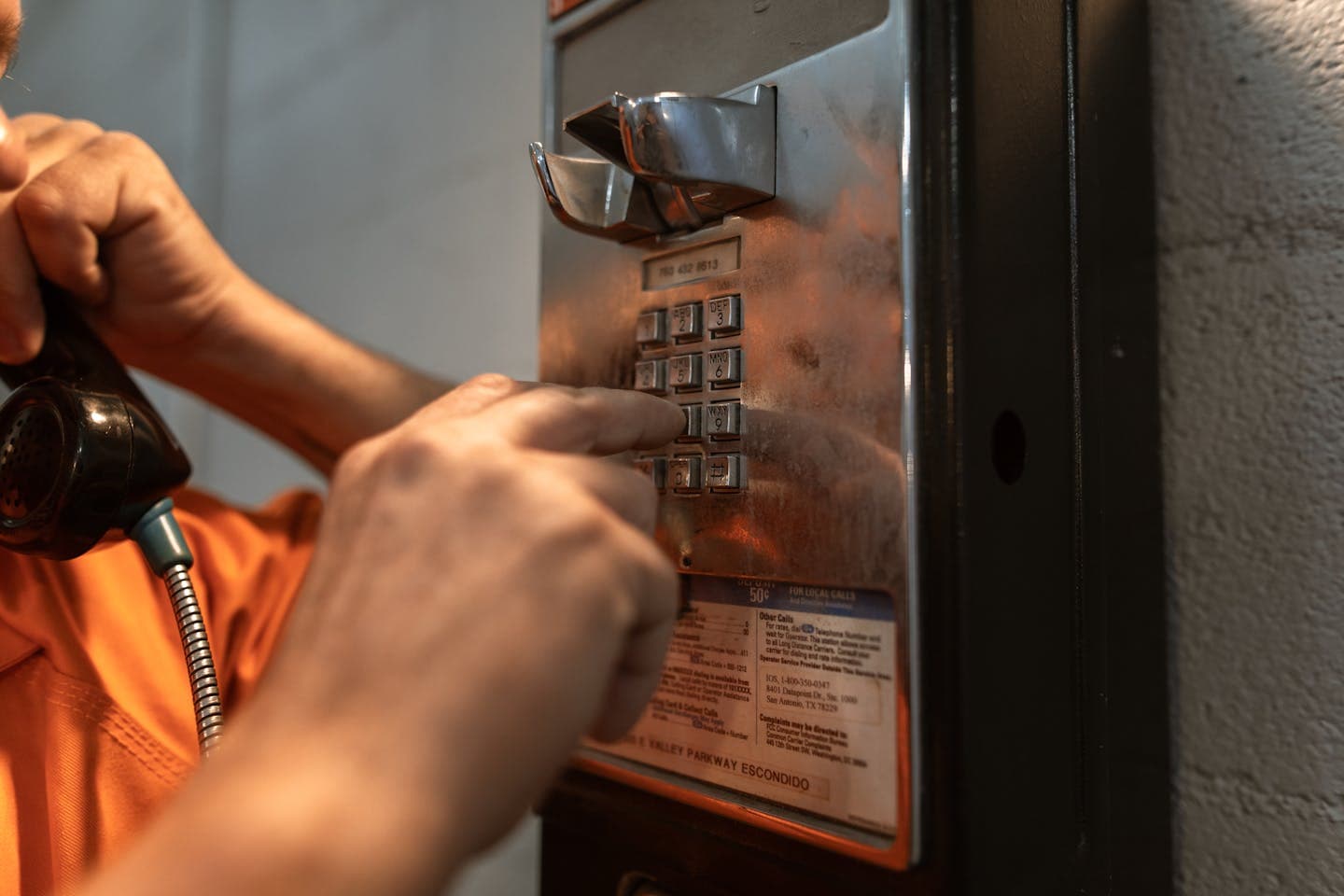
DTMF masking is the process of replacing the audible card-entry tones with something else — usually a flat single tone, silence, or hold music — so the original digits can't be recovered from a call recording or from anyone listening live to the audio path.
It works at the carrier or platform level, before the audio reaches the recording system. When the customer presses "4" on their phone, the payment gateway captures the real tone and sends it to the acquirer, but what gets recorded is just a neutral filler sound. Same call, same conversation, but the card number is mathematically absent from any artefact the contact centre keeps.
There are a couple of related techniques worth knowing about:
- DTMF suppression strips the tones from the call entirely before they reach the agent and recording — a stricter form of masking. We compared the two in DTMF suppression vs channel separation.
- Channel separation takes the agent off the audio path altogether during card entry, then reconnects them once the payment is captured. Different mechanism, same goal.
All three reduce the PCI footprint of taking phone payments, and they're the foundation of any properly compliant contact centre payment flow. The right choice depends on call volume, agent workflow, and how much of the existing telephony stack you want to keep — which is exactly what we walk through in channel separation guide.
DTMF vs pulse dialling#
Before DTMF, phones used pulse dialling. You'd spin the rotary dial to a number, and as the dial returned to its rest position it would briefly disconnect the line a number of times equal to the digit. "5" sent five pulses; "0" sent ten. The exchange counted the clicks and routed the call.
It worked, but it was slow (dialling a long number took several seconds) and it couldn't carry information mid-call — once the call was connected, the rotary dial was useless. DTMF changed that. Because the tones travel through the call itself rather than as electrical interruptions on the line, you can use the keypad after a call is connected. That's what made IVR, phone banking, and DTMF card payments possible in the first place. Pulse dialling is effectively gone from public phone networks today, but DTMF is still going strong.
Frequently asked questions#
What does DTMF stand for?
Dual Tone Multi-Frequency. Each keypad digit sends two specific audio frequencies at the same time, and the receiving system decodes the pair to identify which key was pressed.
Why do phone keys make those tones?
The tones are the actual signal. They're not just feedback for you — they're how the phone tells the system on the other end which digit you've pressed. Mute the speaker and the tones still travel down the line.
Is DTMF still used today?
Yes, everywhere. IVR menus, conference call PINs, phone banking, contact centre payments — anywhere a system needs to take input from a caller without a human agent listening, DTMF is doing the work. It's one of the longest-serving telecoms standards still in active use.
Can DTMF tones be captured from a phone call?
Yes, easily. The tones are audible, which means a call recording captures them, and free software can decode the recording back to the original digits. That's the exact problem DTMF masking solves for card payments — masking replaces the tones with neutral audio before anything gets recorded.
What's the difference between DTMF masking and DTMF suppression?
Masking replaces the tones with a substitute sound (silence, a flat tone, or hold music) so the digits can't be recovered from a recording. Suppression goes further and strips the tones from the call entirely before they reach the agent's audio path. Both keep card data out of PCI scope, but suppression is the stricter approach.
How does DTMF work for credit card payments?
The customer enters their card details on their own phone keypad rather than reading them aloud. Each digit travels as a DTMF tone, gets picked up by a secure payment gateway, and is sent straight to the card acquirer. The agent stays on the call but never hears or sees the card number, which keeps the contact centre out of PCI scope.
DTMF isn't going anywhere. It's older than most of the people working in modern contact centres, and it's still the simplest, most reliable way to send a digit down a phone line. Where it matters most for us at Paytia is in card payments — because that humble keypad tone is what lets a contact centre take secure phone payments without dragging every agent, every recording, and every desktop into PCI scope.
If you take card payments by phone and you'd like to see how DTMF masking can shrink your PCI footprint, our DTMF masking solution page walks through what we do and how it plugs into existing call flows.
Related reading#
- Pillar guide: channel separation guide
- Adding DTMF Masking to Aircall: A Practical Guide
- How to Choose DTMF Masking Software: A Practical Checklist
- DTMF Masking vs Pause-and-Resume: Which Should You Use?
- Is DTMF Masking PCI Compliant? The Real Picture
Want to see this working in your setup? Book a working-demo call — we'll wire up your actual phone system and show you a live capture.