What Payment Validation Actually Means#
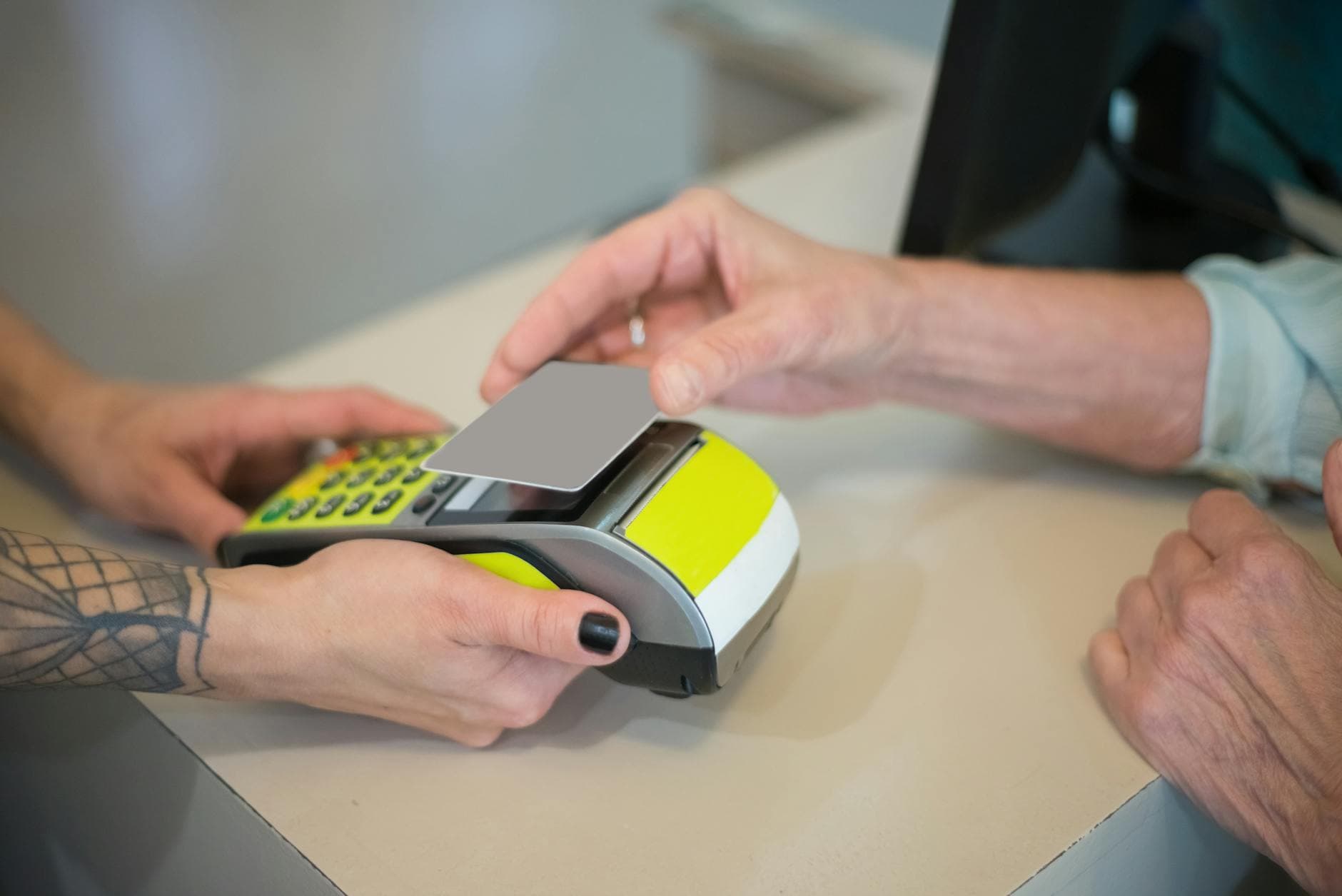
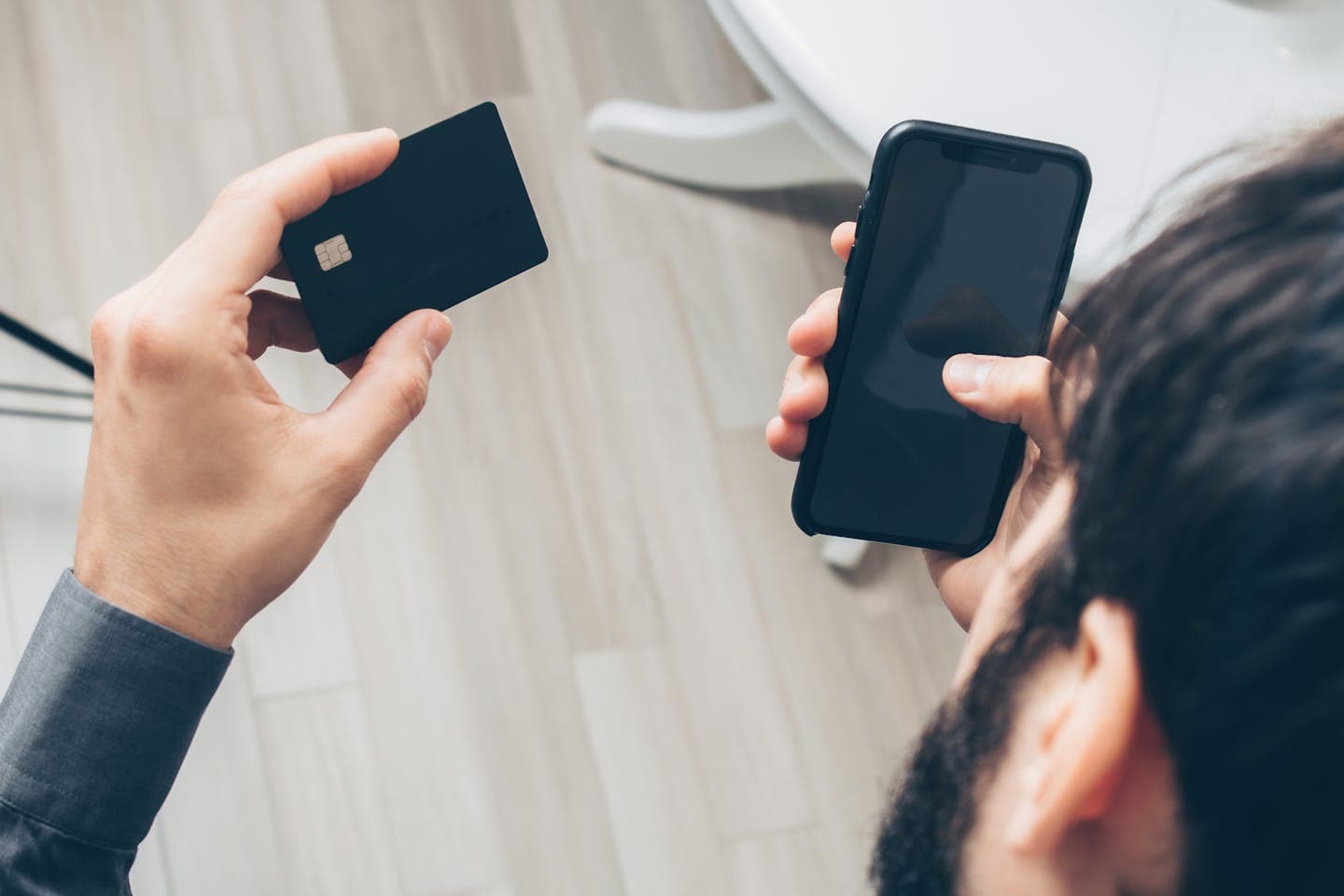
Every time someone makes a payment, there's a validation process running in the background.
It's the system checking that the card number is real, hasn't expired, and that the person using it is authorised to do so. Without proper validation, businesses are essentially flying blind — accepting payments that might bounce, get charged back, or turn out to be fraudulent.
Key takeaways
- Payment validation confirms a transaction is legitimate before funds settle — catching errors and fraud early.
- Validation checks include card number format, expiry date, CVV match, and address verification.
- Failed validation should return a clear error so customers can correct genuine mistakes.
- Real-time validation in IVR and agent-assisted systems prevents invalid payments reaching your processor.
Think of it like checking ID at a bar. You're not just taking someone's word for it — you're verifying the details stack up. Payment validation does the same thing for card transactions.
The Different Types of Validation
Payment validation isn't a single check. It's several checks running at different stages, and each one catches a different kind of problem.
Format validation happens first — is this even a valid card number? The system runs it through something called the Luhn algorithm to check the number structure. If someone types in 1234-5678-9012-3456, the system knows straight away that's not a real card number. This catches typos and obvious mistakes before the payment even reaches your processor, which saves you failed transaction fees.
Expiry checks are simple — has the card expired? You'd be surprised how many businesses miss this before attempting to process a payment. We've seen companies try to charge cards that expired months ago, only to wonder why the failure rate is so high.
CVV validation is that three-digit code on the back of the card (or four digits on the front for Amex). It's there to confirm the person has the physical card in hand. If someone's using stolen card details but doesn't have the card itself, they won't have the CVV. For MOTO payments where you can't see the card, this check becomes even more important.
Address verification (AVS) compares the billing address provided against what the card issuer holds on file. Someone using a stolen card number probably doesn't know the real billing address. In the UK, AVS typically checks the numeric parts of the postcode and the house number — it won't reject a transaction because someone wrote "Road" instead of "Rd".
Fraud detection looks at patterns. Is this card being used from three different countries in one day? That's suspicious. Is someone trying the same card number with different CVVs repeatedly? That's a warning sign. Modern fraud detection also considers transaction velocity — how many attempts are coming from the same IP address or device in a short period.
Why This Matters for Your Business
Skip validation, and you're opening yourself up to problems. Chargebacks hurt — you lose the money, pay the fees, and too many of them can get you dropped by your payment processor. Fraud losses mount fast, particularly on high-value transactions.
But validation isn't just about stopping bad transactions. It's also about compliance. PCI DSS requires you to validate payment data properly. Skip this and you're not just risking fraud — you're risking fines and potentially losing your ability to accept card payments altogether.
There's a commercial angle too. Every failed transaction costs money. Payment processors charge for declines, and if your decline rate creeps too high, you'll face higher processing fees or even lose your merchant account. Proper validation catches bad data before it reaches the processor, keeping your decline rates low and your costs manageable.
Real-Time vs Batch Validation
Most businesses validate in real time — checking everything as the customer enters their details. This gives immediate feedback. If the card number format is wrong, the customer finds out immediately rather than waiting for the payment to fail.
Some older systems still do batch validation, checking everything at the end of the day. The problem? By then you've already accepted the order, possibly even shipped the product. Real-time validation prevents that situation entirely.
For IVR payment systems, real-time validation is particularly important. If a customer enters a wrong digit during an automated phone payment, you want to catch it immediately and ask them to re-enter — not process a failed transaction and then have to call them back.
Common Validation Mistakes
We see businesses make the same mistakes repeatedly. The most common? Only validating on the client side (in the browser). That's fine for user experience — giving instant feedback — but it's not secure on its own. Anyone can disable JavaScript or manipulate the form. You need server-side validation too.
Another mistake is being too strict. If your validation rejects legitimate cards because the address format doesn't match exactly, you're turning away real customers. Good validation finds the balance between catching fraud and not frustrating genuine buyers. We've seen companies lose thousands in legitimate sales because their AVS rules were set to reject anything that wasn't a perfect match.
Some businesses skip CVV validation for recurring payments, thinking it adds unnecessary friction. But CVV validation is one of the strongest fraud prevention tools available. Even for recurring payments, validate the CVV on the first transaction.
A less obvious mistake is not validating the BIN (Bank Identification Number) — the first six digits of a card number that identify the issuing bank and card type. BIN validation can tell you whether a card is a debit or credit card, which country it was issued in, and whether it's a corporate or personal card. If you're a UK-only business and you're seeing a surge of cards issued in countries you don't serve, that's a red flag worth investigating.
Validation for Phone Payments
Phone payments bring their own validation challenges. When a customer reads out card details to an agent, there's room for mishearing — was that a 5 or a 9? Did the agent catch the full number correctly? These errors lead to failed transactions and frustrated customers.
That's one reason why DTMF-based payment entry works so well for phone payments. The customer enters their card number directly on their keypad, and the system validates each field in real time. No mishearing, no transcription errors, and the agent never sees or hears the card data — which also keeps your PCI compliance scope down.
With Paytia's IVR system, validation happens at each step of the payment flow rather than all at once at the end. When the customer enters their card number, the system runs the Luhn check immediately — if a digit is wrong, the customer hears a prompt to re-enter before they've moved on to the expiry date. The same happens with each field: expiry date gets checked against the current date, and the CVV gets validated for the correct number of digits based on the card type (three for Visa and Mastercard, four for Amex). This step-by-step approach means the customer doesn't fill out the entire payment form only to find out their card number had a typo in the third digit.
For automated phone payment systems, real-time validation is even more critical. There's no agent on the line to notice that something looks odd or ask the customer to repeat a number. The IVR system has to catch every error through validation alone. Paytia's system also runs a BIN check during entry, confirming the card type matches what's expected and flagging cards issued in unusual countries if the merchant's profile suggests that's a risk indicator.
3DS Validation for Online Payments
For online transactions, 3D Secure 2 (3DS2) adds another validation layer on top of the standard checks. While traditional validation confirms that the card details are correct, 3DS2 goes further — it tries to confirm that the person using the card is actually the cardholder.
3DS2 validation works by sending over a hundred data points to the card issuer's risk engine. The issuer analyses the device fingerprint, the customer's transaction history, their location, the time of day, and dozens of other signals to decide whether the transaction looks legitimate. If it does, the payment goes through with a "frictionless" authentication — the customer doesn't even notice it happened. If the risk engine flags something, the customer gets a challenge: a one-time code sent to their phone, a biometric prompt on their banking app, or a security question.
The key difference between standard validation and 3DS2 is what they protect against. Standard validation catches mistakes and basic fraud — someone guessing card numbers or using expired cards. 3DS2 validation catches more sophisticated fraud, like someone who has obtained genuine card details through a data breach and is using them from a device and location that doesn't match the cardholder's usual pattern. It also provides the merchant with a potential liability shift on chargebacks, which standard validation alone doesn't offer.
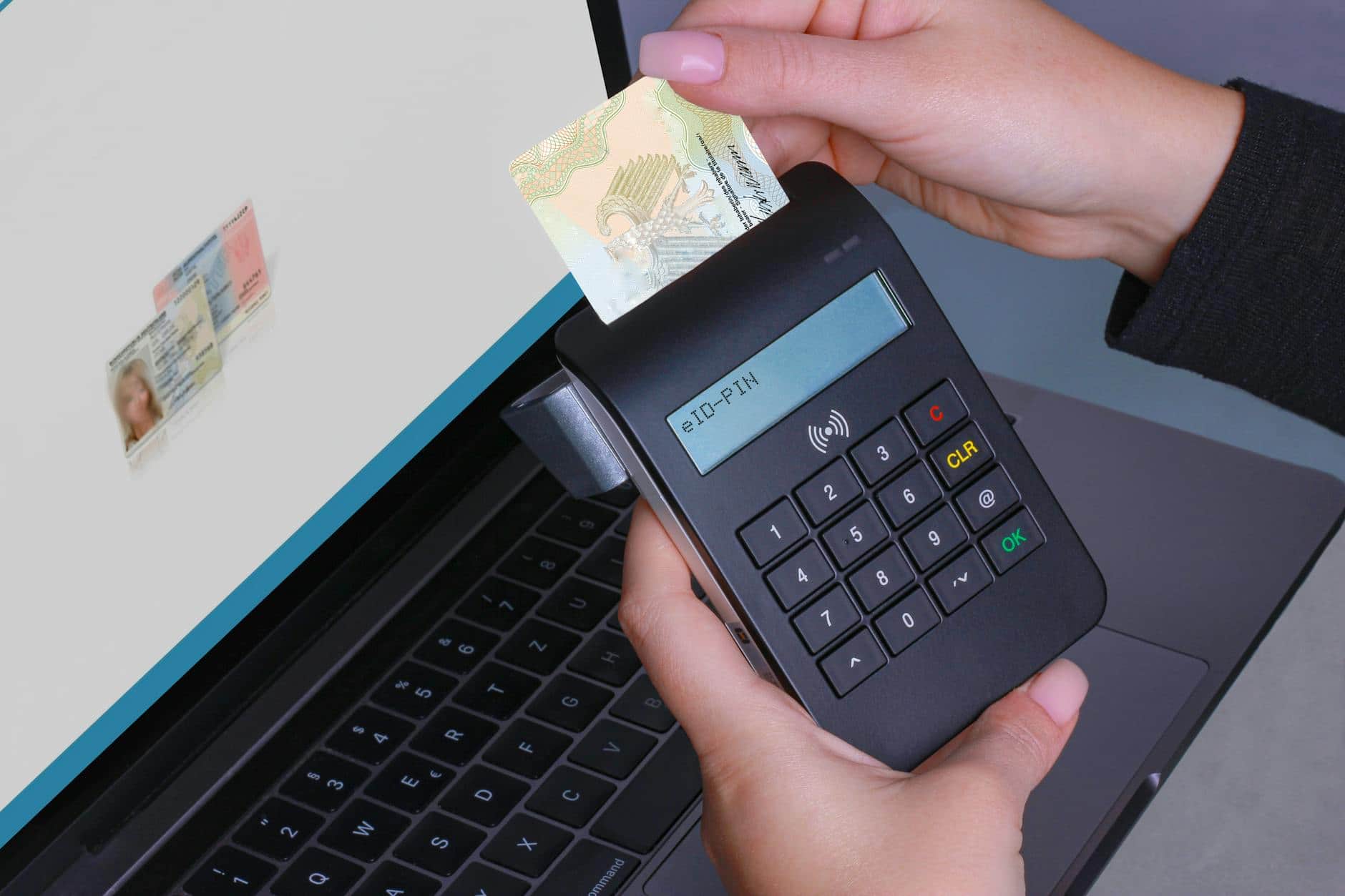
For businesses that take payments across multiple channels — online, phone, and in person — it's worth understanding that each channel has different validation capabilities. Online gets the full 3DS2 treatment. In-person gets chip-and-PIN. Phone payments rely on the standard card checks (format, expiry, CVV, AVS) plus whatever fraud screening your payment provider offers. That makes your phone channel the one where your own validation processes matter most, since it doesn't have the additional protection that the other channels get by default.
How Paytia Handles Validation
Paytia's payment solutions include validation built in from the start. We check card formats, expiry dates, and CVV codes, and run address verification automatically. Our fraud detection analyses transaction patterns in real time, flagging suspicious activity before it becomes a problem.
Because validation runs automatically, you don't need to build these checks yourself or keep up with changing payment industry standards. We handle it, and you get the protection.
Frequently Asked Questions#
What's payment validation?
Payment validation is the process of checking that payment information is correct and legitimate before processing a transaction. It covers format checks, expiry verification, CVV validation, address matching, and fraud detection.
Why is payment validation important?
Without proper validation, businesses risk accepting fraudulent transactions, absorbing chargebacks, and falling foul of PCI DSS requirements. Good validation protects the business and its customers.
What types of payment validation are there?
There are three main types: real-time validation during the transaction, pre-authorisation checks before finalising, and post-transaction monitoring for ongoing pattern analysis.
How does Paytia help with payment validation?
Paytia provides built-in validation including automatic format checking, real-time fraud detection, PCI DSS compliant processes, and detailed reporting to help businesses process payments securely.
What's Address Verification Service (AVS)?
AVS compares the billing address given during a transaction with the address held by the card issuer. It reduces fraud in card-not-present transactions and adds a second layer of verification.
Payment validation might look like a technical detail, but it's one of the most important parts of running a secure payment operation. Get it right, and you protect your business. Get it wrong, and you're exposed to fraud and compliance failures.
If you want to tighten up your payment validation, get in touch with Paytia. We can show you how our validation systems work and how they'd protect your business.
Ready to Secure Your Payment Processing?
Paytia provides secure, PCI DSS compliant payment solutions that protect your business and customers. Learn how we can help you reduce compliance burden while improving security.
Want to see this working in your setup? Book a working-demo call — we'll wire up your actual phone system and show you a live capture.
Related reading#
- Pillar guide: Card Not Present (CNP) Explained: Risks and How to Reduce
- What Is a PAN? Understanding Primary Account Numbers
- How AI Is Transforming Secure Payment Services
- 3DS2 Liability Shift: How Authentication Works
- Are Payment Links Safe? What to Check Before You Pay
Want to see this working in your setup? Book a working-demo call — we'll wire up your actual phone system and show you a live capture.