If you're looking at a Verifone terminal for the first time and someone's talking about "tokenisation" in the integration spec, it's worth understanding what the token actually is before you sign anything. Tokenisation isn't new — it's been the standard for storing card data since the mid-2000s — but the way it works at a POS terminal differs meaningfully from how it works in an online payment form. And the difference matters if you're planning to reuse the token later.
This is a short, practical explainer. What a token is. How a POS terminal creates one. What "cross-channel token reuse" actually means. What it doesn't protect against.
What a token actually is#
A payment token is a unique, non-reversible reference that stands in for a card number. You can store it safely, pass it between systems, and use it to charge the same card again later — but if an attacker intercepts a token, they can't reconstruct the card number from it. The original card data is held inside the payment processor's vault, not yours.
This matters commercially for two reasons. First, your systems never hold card data, which means PCI DSS scope drops dramatically. Second, you can charge the same customer's card again without them having to re-enter their details.
How POS tokenisation differs from online tokenisation#
When a customer types their card into a web form, tokenisation happens at your payment gateway — the form posts directly to the gateway, the gateway returns a token, and your site stores the token against the customer record.
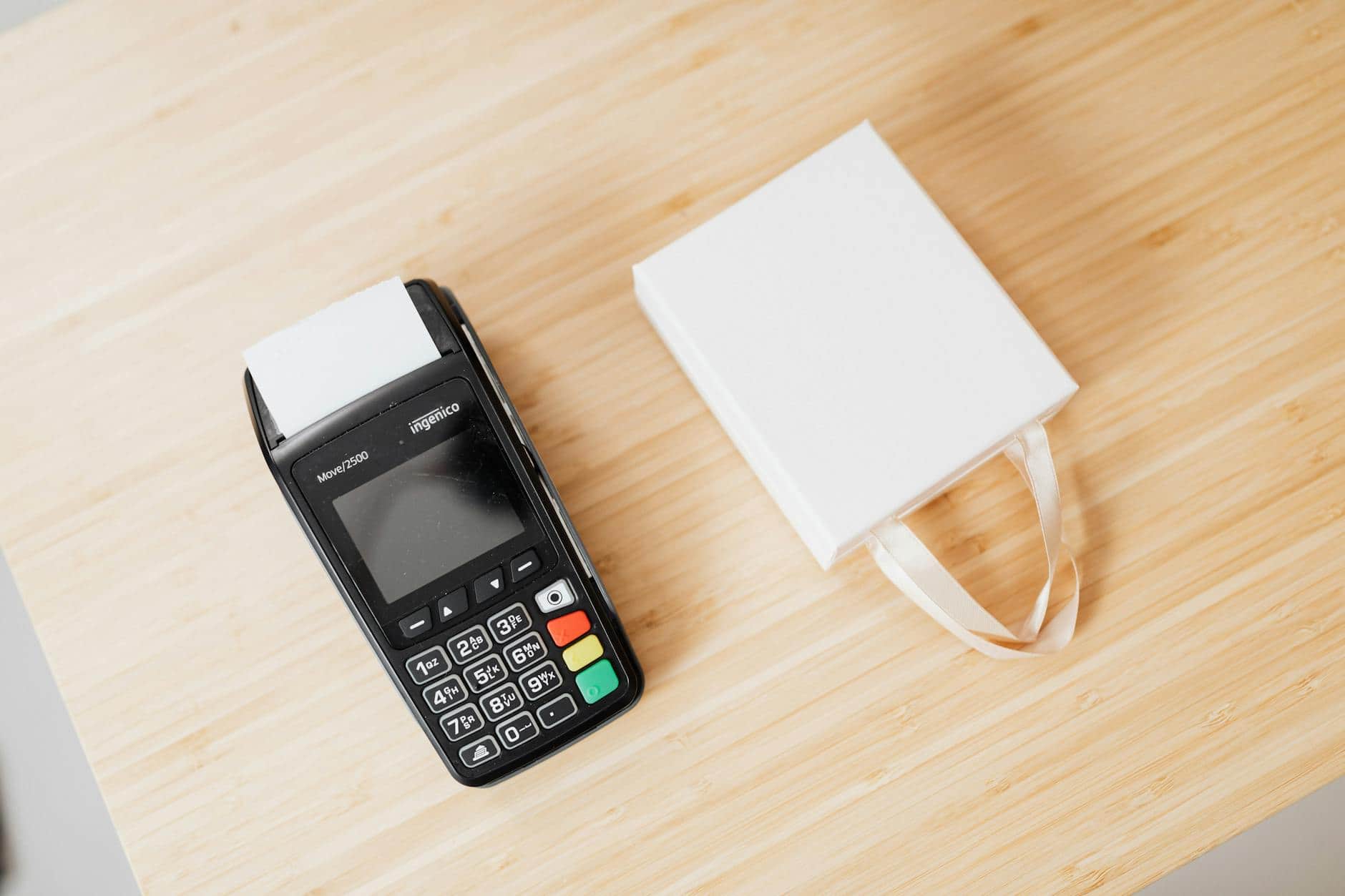
At a POS terminal, the flow is similar but the capture happens inside the terminal itself. The customer inserts or taps the card, the terminal authorises the transaction with the acquirer, and a token representing the card is returned alongside the payment outcome. The physical chip on the card (or the tokenised payment credential in Apple Pay / Google Pay) is what the terminal reads — the card's actual number never gets transmitted in cleartext anywhere you can see.
The practical upshot: a POS token is at least as secure as a web-form token, often more so, because the physical attack surface is narrower. No phishing kit can spoof a real Verifone terminal.
Curious how Paytia fits in? Have a quick chat with us — we'll show you in 15 minutes whether we're a fit.
Cross-channel token reuse#
This is where Paytia's in-person payments product differs from a plain Verifone terminal integration. Once the token is issued at the terminal, it's stored inside Paytia's PCI DSS Level 1 environment with the customer's other payment references. A week later, when the balance is due, your team can charge the stored token from any Paytia channel — phone, web chat, payment link, CRM dashboard — without needing the physical card again.
Cross-channel reuse works across different acquirers too. The in-store terminal might sit behind one acquirer, your online payment gateway might sit behind another — Paytia's token layer works across both. Practically, that means the follow-up payment doesn't have to go through the same merchant account that took the deposit.
What tokenisation doesn't do#
Worth being clear: tokenisation isn't a silver bullet.
Tokens don't prevent fraud if the original card is stolen. If a customer pays a deposit with a card that was compromised after the fact, the issuing bank can still chargeback the follow-up payment.
Tokens don't replace Strong Customer Authentication everywhere. For card-not-present follow-up transactions, you may still need SCA where it applies. Merchant Initiated Transactions (MIT) are an exception, and that's typically how follow-up token charges are submitted — but the initial in-store payment has to meet the right flagging rules for that to work cleanly.
Tokens don't work forever. The card behind them has an expiration date. If the underlying card expires before you reuse the token, the follow-up payment fails. Paytia returns expiration metadata with the token so your system can plan around it.
Why it matters commercially#
For a retailer taking a deposit in-store, the token is the difference between "the customer has to come back to pay the balance" and "we'll take it from the card on file on fitting day". For hospitality it's the difference between re-swiping at checkout and settling the final bill automatically. For professional services with instalment plans, it's the core primitive that makes the plan actually work without manual chasing.
Related reading#
- Pillar guide: tokenization guide
- What Is a Tokenization Vault? A Plain-English Guide
- Network Tokens vs PSP Tokens: What's the Difference?
- Tokenisation vs Encryption: What's the Difference?
Curious how Paytia fits in? Have a quick chat with us — we'll show you in 15 minutes whether we're a fit.